September 9, 2026
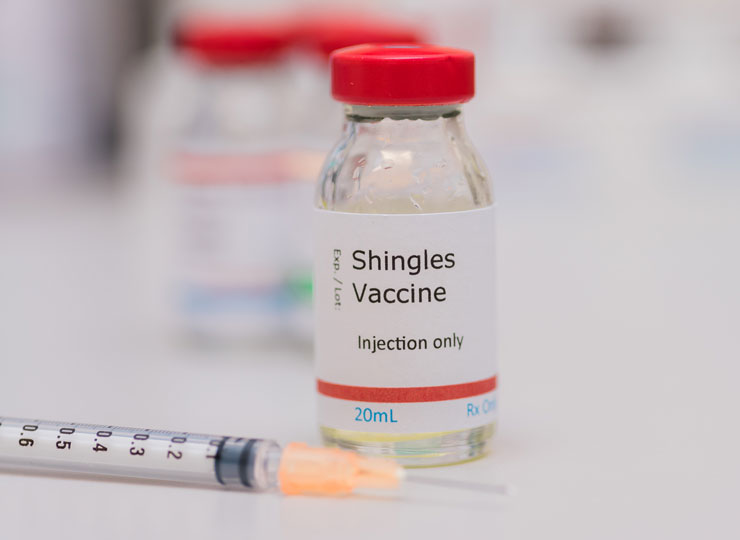
If you’re 50 or older and haven’t been vaccinated against shingles, think again. Not only can the vaccine help prevent the painful skin eruptions caused by the virus that causes shingles, it may also lower your risk of developing dementia.
A large new analysis adds to growing evidence that shingles vaccination may be good for the brain. The study, published in the Annals of Internal Medicine, found that elderly men and women who received the shingle vaccine had a 24 percent lower risk of developing Alzheimer’s disease or other forms of dementia than their unvaccinated peers.
For the study, researchers at Brown University and other institutions reviewed electronic health records and Medicare claims for 509,926 older Americans who had been admitted to a skilled nursing facility between 2017 and 2022. Their mean age was around 79. None had a dementia diagnosis at the time of admission.
The researchers followed them over the next four years. Alzheimer’s disease or other form of dementia developed in 18.8 percent of those who had received at least one dose of the shingles vaccine, compared to 24.6 percent of those who had not been vaccinated. That translates to a 24 relative reduction in risk. The researchers estimate that shingles vaccination could potentially prevent one in every 17 dementia cases.
The study, published in Annals of Internal Medicine, showed only an association between shingles vaccination and reduced dementia risk and cannot prove cause and effect. Those who got vaccinated may have had other health or behavioral characteristics that helped to bolster their brains. But the results of several large studies in recent years suggest that the shingles vaccine offers some kind of brain protection.
Some of these earlier studies looked at an older shingles vaccine. This study looked at the newer vaccine, called Shingrix, which is even more effective against shingles.
Scientists aren’t sure why shingles might contribute to cognitive decline. The chickenpox virus that causes shingles, varicella zoster, has been linked to an increased risk of heart disease and stroke, both risk factors for dementia. Some research suggests the virus may also damage the lining of blood vessels, including those in the brain, or damage nerve cells directly. Infections may also increase brain inflammation, which may play a role in dementia onset; by limiting the severity of infections, vaccines may reduce brain inflammation.
The shingles vaccine, recommended for people 50 and older, is highly effective in preventing or limiting virus reactivation and subsequent shingles outbreaks. Other research suggests it may also help to prevent heart attacks and strokes, which can also damage the brain. It is given in two doses, two to six months apart.
The shingles vaccine may also have benefits for those who already had Alzheimer’s disease or another form of dementia. People who received the vaccine after a dementia diagnosis were significantly less likely to die from dementia over the next nine years, suggesting that the vaccine could slow the progression of the disease.
By ALZinfo.org, The Alzheimer’s Information Site. Reviewed by Eric Schmidt, PhD, of The Fisher Center lab at The Rockefeller University.
Source: Kaleen N. Hayes, Daniel A. Harris, Kevin W. McConeghy, et al: “Dementia Risk After Recombinant Herpes Zoster Vaccination in Older Adults with a Recent Skilled-Nursing Facility Stay: A Target Trial Emulation.” Annals of Internal Medicine, July 2026